How A Teacher Turned To Technology To Solve A Thorny Problem And Raised $100K | TechCrunch


Its just amazing how apps are transforming not only the technology sector but education, health care, business, etc. All one needs is an idea, a presentation and either partners/funders or access to platforms like KickStarter.

How A Teacher Turned To Technology To Solve A Thorny Problem And Raised $100K | TechCrunch

The clincher, the thing that made Quick Key go viral, was a poorly-lit video of an excitable guy holding his iPhone up to a Scantron page, one of those test pages you used to fill out in school. He thumbs through page after page, making comments on students’ performance as the app scans the page and instantly reports a grade. The video was amazingly compelling. The creator, Walter O. Duncan IV, can barely contain his excitement. His app looked great, it worked seamlessly, and the video struck a nerve with students and teachers, pocketing 260,000 views on YouTube and popping up on the front page of Reddit.

This, my friends, is how you do a viral video.

Duncan’s company is called Design by Educators, Inc and has raised over $99,500 to build the app and begin bringing on beta testers. The other co-founders are Isaac D. Van Wesep, and Marlon Davis.

“We worked hard to build an amazing prototype. But now we need real teachers to beta test Quick Key. My goal was to recruit 100 teachers with the video. As of tonight, over 1,000 people have signed up to learn about beta testing,” said Duncan.

A 13-year veteran school teacher, Duncan knows how to reach a crowd. He’s worked in inner-city districts in Detroit, DC, LA, and Brooklyn. He’s also host of a Facebook group called Teacher’s Round Table and is still a full-time teacher in Cambridge, Mass. His co-founders, Davis and Van Wesep, are also experience educators and entrepreneurs.

“We do not have customers as we are pre-beta but the video did drive over 10,000 visitors to our site in 48 hours,” said Van Wesep. “Our company is the only one making a product like Quick Key with real working K-12 teachers on the founding team. Since teachers designed Quick Key, it actually works for teachers, instead of making work for teachers.”

The product’s origin story began in 2007 when Duncan began giving his students “exit tickets,” short quizzes on the knowledge learned that day. This helped the teachers know what the students retained and, more importantly, what they’d have to cover again the next day.

“But there was a cost: grading of the exit tickets was done by hand, and all results had to be entered into the school’s central digital electronic grade book, or school management system,” said Van Wesep. “With some 90 students in his care, Walter was spending nearly two hours a night, just grading the exit tickets, and transcribing the results. It was mind-numbing.”

The solution came to him in 2011 when he realized the easiest way to scan these tickets was with a hand-held device – his phone. Thus Quick Key was born.

“If teachers make the best assessments, and the best lesson plans, and the best teaching materials, won’t they make the best software too? the response to Quick Key is bearing out that theory,” he said.

The app is still in early beta but a number teachers have already signed up to try it and they’re working on improving it for general use. It’s rare to see an app go so viral so quickly and it’s a testament to the dedication of a group of teachers and entrepreneurs that they’ve been able to go from zero to viral in a few short hours.

John Biggs | TechCrunch
The Most Important LinkedIn Page You’ve Never Seen | Wired Business | Wired.com


The Most Important LinkedIn Page You’ve Never Seen | Wired Business | Wired.com

Quotables:

“Tucked behind your professional, yet pretty, profile picture, the descriptions of all your past jobs, and that column of “People You May Know” is a section of LinkedIn that most people have never heard of, let alone seen. And yet it’s the real reason why you should actually care about sprucing up your LinkedIn profile and network.”

“If you care a whit about your career not only do you have to be on LinkedIn, you should have a detailed profile with your job history. It should look like your resume. Taking advantage of LinkedIn features like Skills can also make you more searchable to recruiters. And of course, build out your network with people you know.”

“Instead of sticking to the usual job board or paying an outside agency to find candidates, recruiters can use LinkedIn to find exactly who they want with the skills and experience they want.”

The Happiest People Pursue the Most Difficult Problems – Rosabeth Moss Kanter – Harvard Business Review


“It’s now common to say that purpose is at the heart of leadership, and people should find their purpose and passion. I’d like to go a step further and urge that everyone regardless of their work situation, have a sense of responsibility for at least one aspect of changing the world. It’s as though we all have two jobs: our immediate tasks and the chance to make a difference.” via The Happiest People Pursue the Most Difficult Problems – Rosabeth Moss Kanter – Harvard Business Review.

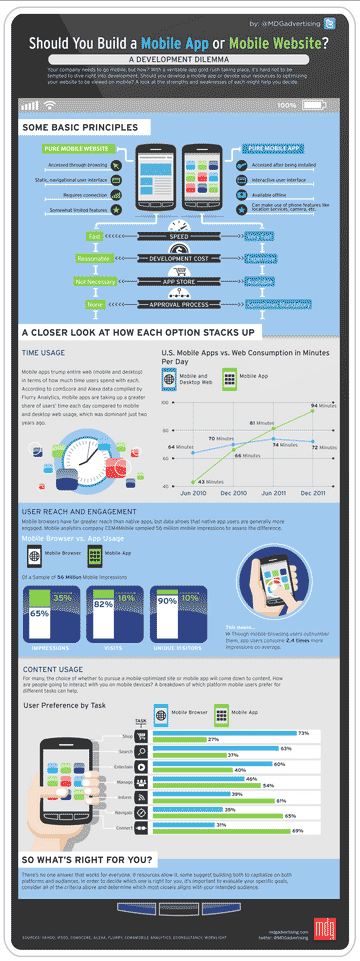
Responsive web design vs. mobile app development | TechRepublic


Most businesses and organizations have websites, and with the popularity and proliferation of all sizes of mobile devices, a mobile strategy for those websites is more important than ever.

via Responsive web design vs. mobile app development | TechRepublic

Mobile App or Mobile Website?

Collection of Links: eBooks


I find it challenging to keep up with eBook news and resources, since it seems there are updates on an almost daily basis. I have provided links to the most informative and newsworthy below.

eBooks & Publishing

eBooks, Libraries & Publishers

Updated “History of Mergers and Acquisitions in the Library Automation Industry”…03.25.13 | The Proverbial Lone Wolf Librarian’s Weblog


Updated “History of Mergers and Acquisitions in the Library Automation Industry”…03.25.13 | The Proverbial Lone Wolf Librarian’s Weblog

Mashable | Harvard Secretly Searched Campus Emails in Internal Investigation


Precedent setting and a good case study in the limitations of privacy in employee emails.

In fact, the statement continued, “no ones emails were opened and the contents of no one’s emails were searched by human or machine,” and the search was limited to “a partial log of the metadata – the name of the sender and the time the emails were sent.” 

via Harvard Secretly Searched Campus Emails in Internal Investigation | Mashable

Harvard University administrators secretly searched deans’ email accounts, hunting for media leak | Boston.com

“News of the incident could nonetheless anger Harvard faculty members, whose privacy in electronic records is protected under a Faculty of Arts and Sciences policy.

“Resident deans are not professors, but they teach. At issue is how much privacy they should expect.”

It further said that Smith – a computer scientist with expertise on privacy issues — “would agree entirely with taking steps that found the right balance between our needs to respect the privacy of our employees and to protect the privacy of our students.”

UPDATED | Collection of Links: BYOD


BYOD in educational institutions has been growing in popularity for years. Recently, I have seen more resources for BYOD policies in business. Below are some useful links for both.

Educational Organizations
EDUCAUSE BYOD Portal
SFU BYOD Wiki

Business
A BYOD project management primer | TechRepublic
Three BYOD policies for keeping workers (and IT) happy | TechRepublic
BYOD Security White Papers and Resources for Businesses | Webopedia
Four worst mistakes you can make with a BYOD policy | TechRepublic
10 essential elements of BYOD training | TechRepublic

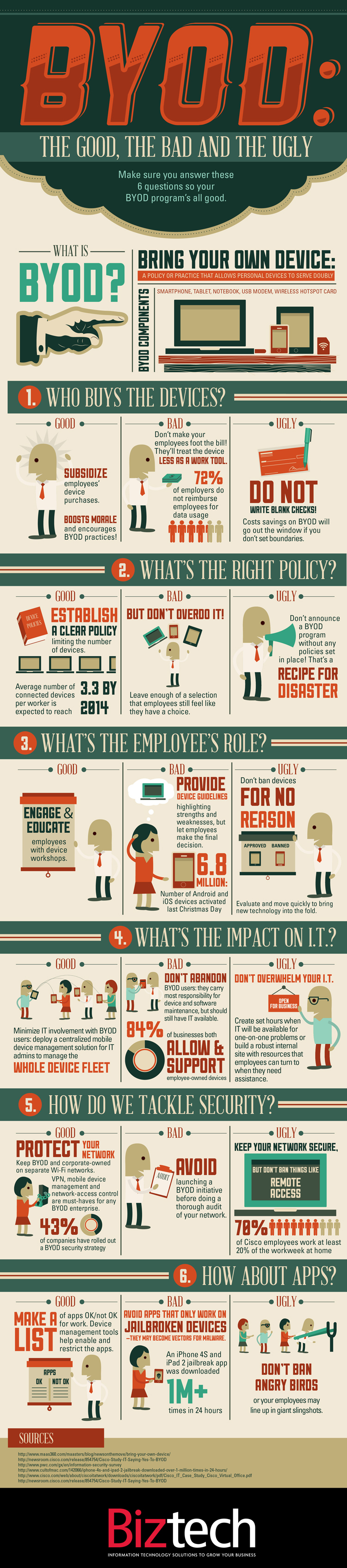
How to Make Sure Your BYOD Plan Is All Good [Infographic] | Biztech

BYOD

BYOD


What We Talk About When We Talk About “Social” – Nilofer Merchant – Harvard Business Review


“Enterprise 2.0, Social Media, Social Business, Social Innovation, Social Era — are they all the same, or are they quite different? Do you know?”

via What We Talk About When We Talk About “Social” – Nilofer Merchant – Harvard Business Review.

15 great leadership questions | TechRepublic


In my experience, great managers always seek feedback from their employees and peers.

“That is one of the first questions I ask new clients. It gets a dialog going. It encourages a thoughtful reply. For those reasons alone, it’s a question that I recommend to any leader who’s looking for a candid and insightful communication with his or her team members.”

via 15 great leadership questions | TechRepublic.