What is reddit? | YouTube


▶ What is reddit? | YouTube.

Riptide Digital News History Interviews… | AllThingsD


I don’t know what to say about Riptide, the massive oral history of digital journalism that popped up on the Web tonight.

That’s because I’ve been looking at it for a couple hours, and have no idea how much of it I’ve consumed.

But it doesn’t seem like a very significant percentage: The project, sponsored by Harvard’s Joan Shorenstein Center, revolves around interviews with more than 60 people who have played key roles in the way news and the news business has transformed in the last few decades. 

There are more than 50 hours of video on the site.

via Riptide Digital News History Interviews with Google, Twitter, NYT – Peter Kafka | AllThingsD.

10 Great Sites for Bored History Nerds | Flavorwire


10 Great Sites for Bored History Nerds | Flavorwire.

See the post for links to an eclectic list of history websites.

  1. The Bowery Boys
  2. Fuck Yeah, Victorians
  3. The Smithsonian’s History Blog
  4. The History Chicks
  5. My Daguerreotype Boyfriend
  6. Messy Nessy Chic
  7. Edwardian Promenade
  8. Calumet 412
  9. Food History Jottings
  10. Russian History Blog

I recommend Jane Austen’s World, PBS History Detectives and Best of History Websites (a comprehensive resource portal).

40 maps that explain the world | Washington Post


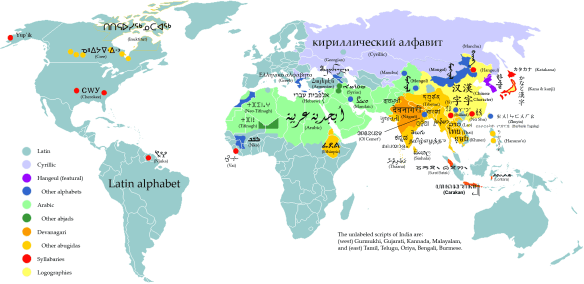
Maps can be a remarkably powerful tool for understanding the world and how it works, but they show only what you ask them to. Some of these are pretty nerdy, but I think they’re no less fascinating and easily understandable. A majority are original to this blog (see our full maps coverage here), with others from a variety of sources.

The world's major writing systems

Wikimedia Commons

via 40 maps that explain the world  | Washington Post.

You may also like: 40 Maps They Didn’t Teach You In School | Bored Panda

This Comprehensive Map Traces 463 of the Bible’s Contradictions | Gizmodo


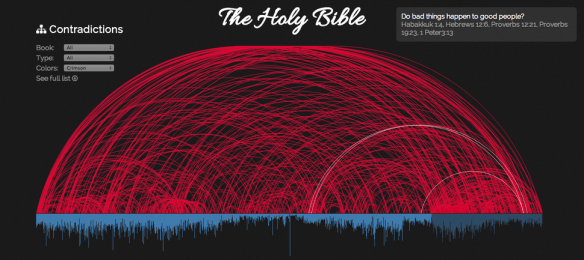
Using data from the Skeptic’s Annotated Bible, programmer Daniel G. Taylor created this encyclopedic visualization of 463 of the Bible’s major contradictions. Here’s how to read it: Each vertical blue line represents a different chapter, ordered chronologically. The red arcs trace each represent a question about a specific person or concept.  Clicking on one of the red lines takes you to a list of every relevant quote from both Old and New Testaments.

The Holy Bible Contradictions

See the full story: This Comprehensive Map Traces 463 of the Bible’s Contradictions | Gizmodo.

11 Amazing Historical Snapshots From One of the World’s Best Archives | Gizmodo


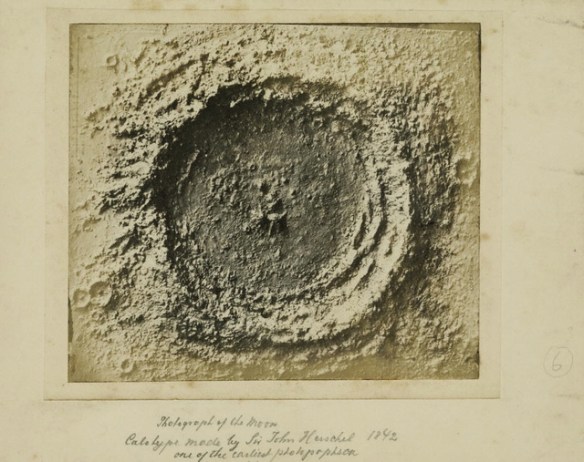
The J. Paul Getty Museum is home to troves of fascinating historical artifacts. And last week, the museum [announced] a project to give the public unfettered access to it. The Open Content Program makes 4,600 high-resolution images available for free and for any use whatsoever. 

Moon Crater

Unknown (photographer) , Moon Crater, late 1850s, Salted paper print from a Collodion negative.

See the full story:  11 Amazing Historical Snapshots From One of the World’s Best Archives | Gizmodo.

See also: Open Content, An Idea Whose Time Has Come | James Cuno | The Getty Iris

4,000 Years Of Human History Captured In One Retro Chart [Infographic] | Co.Design


If time is a river, the Histomap, created by John B. Sparks and first published by Rand McNally back in 1931, is a raging Mississippi. In that massive river of time, each of humanity’s great civilizations becomes a confluence that ebbs, wanes, and sometimes ebbs again, each a separate current in a river that inexorably rages down to the mouth of the present day.

Although certainly not modern, the Histomap is still a breathtaking example of good infographic design: A five-foot, roll-up chart that can fit an overview of human history on any wall. 

See the full story: Infographic: 4,000 Years Of Human History Captured In One Retro Chart | Co.Design: business + innovation + design.
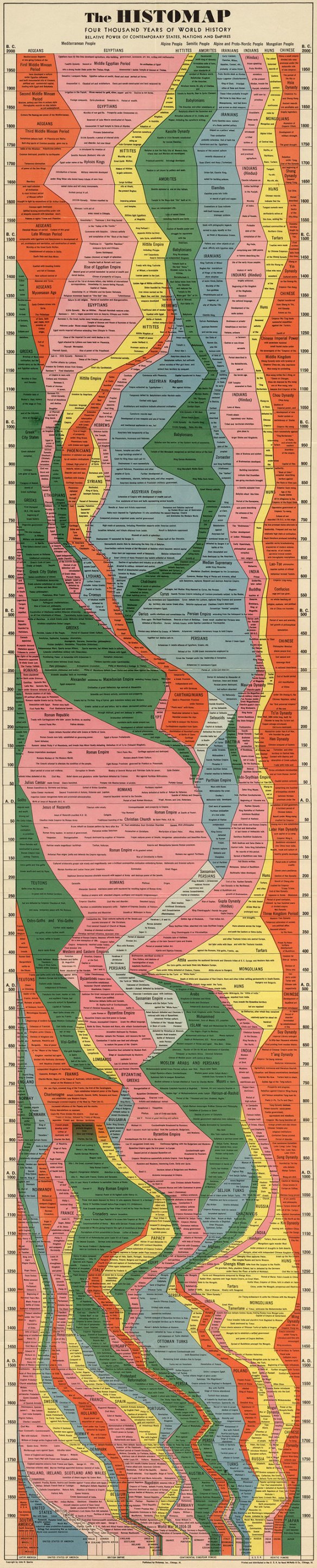

The Histomap

Saki Mafundikwa: Ingenuity and elegance in ancient African alphabets | TED.com


From simple alphabets to secret symbolic languages, graphic designer Saki Mafundikwa celebrates the many forms of written communication across the continent of Africa. He highlights the history and legacy that are embodied in written words and symbols, and urges African designers to draw on these graphic forms for fresh inspiration. It’s summed up in his favorite Ghanaian glyph, Sankofa, which means “return and get it” — or “learn from the past.”

via Saki Mafundikwa: Ingenuity and elegance in ancient African alphabets | Video on TED.com.

Plainfield library archivists dig up personal letter from John Quincy Adams | MyCentralJersey.com | mycentraljersey.com


Plainfield library archivists dig up personal letter from John Quincy Adams | MyCentralJersey.com | mycentraljersey.com.

Archaeologists Discover World’s Oldest Calendar in Scotland | Gizmodo


The discovery of a near 10,000-year-old lunar calendar in Scotland has archaeologists scrambling to rethink the beginnings of history. The implications are huge, too. It turns out that the men of the Stone Age weren’t as primitive as we’d previously thought.

The calendar itself is primitive to be sure. However, it’s also the oldest calendar ever discovered predating the bronze calendar in Mesopotamia that had held that title until now by several millenia.

See the full article: Archaeologists Discover World’s Oldest Calendar in Scotland | Gizmodo.