Why We Read | Dear Author


Because sometimes I just need to reflect and remember why I spend so much time in the company of the written word. Maybe you do, too? See the full post: Why We Read | Dear Author

I loved this post. The author reflects on all the reasons why she reads. I identified many of the same reasons for why I read, including because I have to, gaining empathy and expanding the imagination.

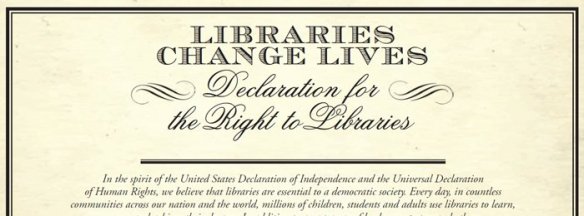
Declaration for the Right to Libraries | American Libraries Magazine


On July 30, ALA President Barbara Stripling unveiled the “Declaration for the Right to Libraries” during a signing ceremony at Nashville (Tenn.) Public Library. The Declaration is the cornerstone document of Stripling’s presidential initiative, “Libraries Change Lives,” which is designed to build the public will and sustain support for America’s right to libraries of all types—academic, special, school, and public. Stripling’s initiative will focus on transformative library practices in literacy, innovation, and community engagement.

via Declaration for the Right to Libraries | American Libraries Magazine.

Declaration for the Right to Libraries

A library is not just about books: it’s also a place for the vulnerable | Angela Clarke | Comment is free | guardian.co.uk


Read the full story at the link below. The author’s story underscores the importance of libraries not just to the average person but those with disabilities, health issues and unique needs.

A library is not just about books: it’s also a place for the vulnerable | Angela Clarke | Comment is free | guardian.co.uk.

In April 2013 the genetic condition I suffer from, Ehlers Danlos type III, rendered me immobile. Unable to type, read, watch television, or work, I quickly exhausted my dwindling freelance earnings on spoken word stories. After several weeks of intensive physiotherapy I was allowed to add a gentle stroll to my day. Bored, in pain and lonely, I headed back to the library.

When I saw the aisles full of spoken word CDs, I nearly wept. The man at the information desk assured me I could also order any specific disc I wanted. Having been trapped in my home with little human interaction, chatting with staff about the books was a balm. Embarrassingly, I had to ask how to use the electronic checking-out system. I then had to be issued with a new library card: my original, solidarity-inspired one had never been activated. Shakespeare’s words rang through my head: “O, I have ta’en Too little care of this!’ But the library and its team weren’t concerned by my absence. There was no judgment. I was always welcome.
Five [Six] Free Online Tools to Learn Another Language | Gizmodo


Five [Six] Free Online Tools to Learn Another Language | Gizmodo

  1. LiveMocha
  2. FSI Language Courses
  3. Duolingo
  4. Internet Polyglot
  5. Lang-8

See also: LaMP Teaches You a Foreign Language via Movie and YouTube Subtitles | LifeHacker. LaMP can be installed on Windows computers or accessed online.

Recent Pew Research Center Studies


Pew Study: Technology Aids Students’ Writing Skills Though Challenges Remain | The Digital Shift
Digital technologies are impacting American middle and high school students’ writing in many ways, both good and bad, a new national report from the Pew Research Center shows.

Internet adoption becomes nearly universal among some groups, but others lag behind | Pew Research Center
New data from the latest survey by the Pew Research Center’s Internet Project in the spring shows that 85% of Americans adults use the internet at least occasionally.  Five years ago, in an April 2008 survey, 73% of adults used the internet.  Ten years ago, in May 2003, 63% of adults used the internet.

Personal. Portable. Participatory. Pervasive. from Pew Research Center’s Internet & American Life Project

How Teachers Are Using Technology at Home and in Their Classrooms | Pew Internet
A survey of teachers who instruct American middle and secondary school students finds that digital technologies have become central to their teaching and professionalization. At the same time, the internet, mobile phones, and social media have brought new challenges to teachers, and they report striking differences in access to the latest digital technologies between lower and higher income students and school districts.

Burma’s Lucky Bibliophile | The Irrawaddy Magazine


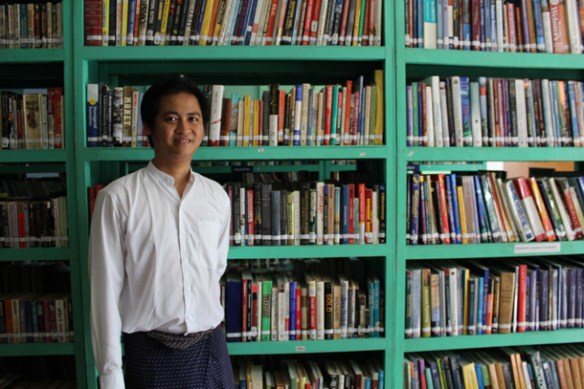
When the Ministry of Information’s director general visited Ye Htet Oo’s library in 2010, it could have been disastrous. Ye Htet Oo, then a recent college graduate, was running his new library in downtown Rangoon on the sly, without approval from the former military regime, and was told he could face three months in jail for every book he lent without permission from the censorship board. Unable to get a library license from the government, which saw libraries as a way to spread subversive ideas, he fronted his operation as a bookshop but kept a collection of unapproved library books hidden in a back room. Then one day, unknown to the young bibliophile, the ministry’s director general—who has since become the deputy minister of information and President Thein Sein’s spokesman—entered the “bookshop” and walked straight into the secret room.

For the full article and Q&A with Ye Htet Oo see:  Burma’s Lucky Bibliophile | The Irrawaddy Magazine.

Burma's Lucky Bibliophile

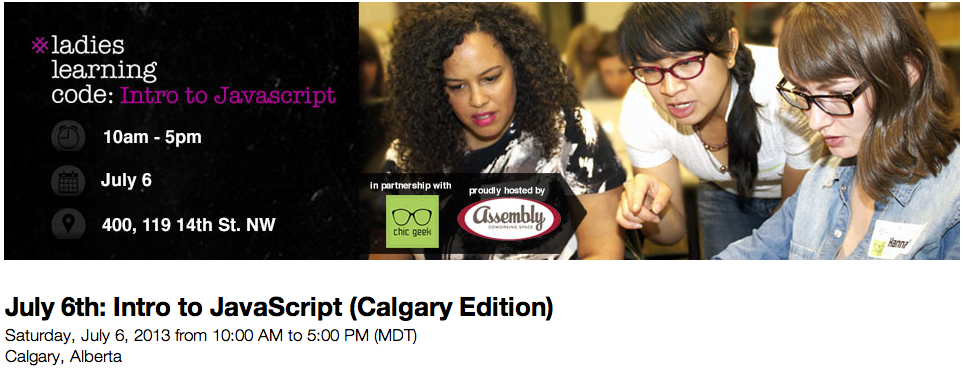
Ladies Learning to Code (Calgary Edition) – Intro to JavaScript


There is another Ladies Learning to Code event in Calgary. This one is an Introduction to JavaScript. The event costs $54.49, which I think is very reasonable. Register here. The event space is in Hillhurst, an area affected by the #yycflood. As invites were sent yesterday, I’m assuming the location is not damaged.

Ladies Learning to Code (Calgary Edition)

ALA Launches Online Hub to Support Tech Literacy | The Digital Shift


The American Library Association (ALA) this week launched a preview version of Digital Learn, a free online resource for librarians working with digital literacy learners. The new hub, which will be fully available June 30, follows recommendations released this month from ALA’s Digital Literacy Task Force.

via ALA Launches Online Hub to Support Tech Literacy | The Digital Shift.

See also: ALA Task Force releases digital literacy recommendations | ALA


This Just In: Young Adults Love Libraries | The Digital Shift


A brand-spanking-new Pew Research Center’s Internet & American Life study (just released this morning) has found some surprising information about young people and their opinions of libraries and print books.

Here’s the lead:

Belying the stereotype that younger Americans completely eschew print for digital, those ages 16-29 have wide-ranging media and technology behaviors that straddle the traditional paper-based world of books and digital access to information.

One major surprise in a new report from the Pew Research Center is that even in an age of increasing digital resources, those in this under-30 cohort are more likely than older Americans to use and appreciate libraries as physical spaces – places to study for class, go online, or just hang out. [emphasis added]

See the full article: This Just In: Young Adults Love Libraries | The Digital Shift.

How Not To Be A Dick To A Librarian | xoJane


Librarians aren’t usually in the habit of name calling (unless you catch us before we’ve had our coffee or when the catalog is down), so it’s with a bit of trepidation that I’m writing this. But then I thought, what the hey–even librarians should be able to take a moment and vent our frustrations!

We’ve become pretty comfortable getting up on our soapboxes to protest in the face of budget cuts and layoffs, but sometimes it’s hard to actually express some annoyance about common viewpoints towards libraries. After all, we truly are here to help people. It’s our passion. Nobody chooses to become a librarian for the money (because there’s never very much of that to go around). We choose this profession not just because it’s our calling but because we believe in the power of access to information to transform people’s lives.

Yet too often, no matter how many times we may repeat that mantra to ourselves, it seems that the same tired misinformation is what gets regurgitated in the media and even occasionally by our friends and families: Libraries are outdated. Nobody reads books anymore. You can find anything you need to know online. As any librarian will tell you, we’ve heard it all before… 

See the full article at How Not To Be A Dick To A Librarian | xoJane.