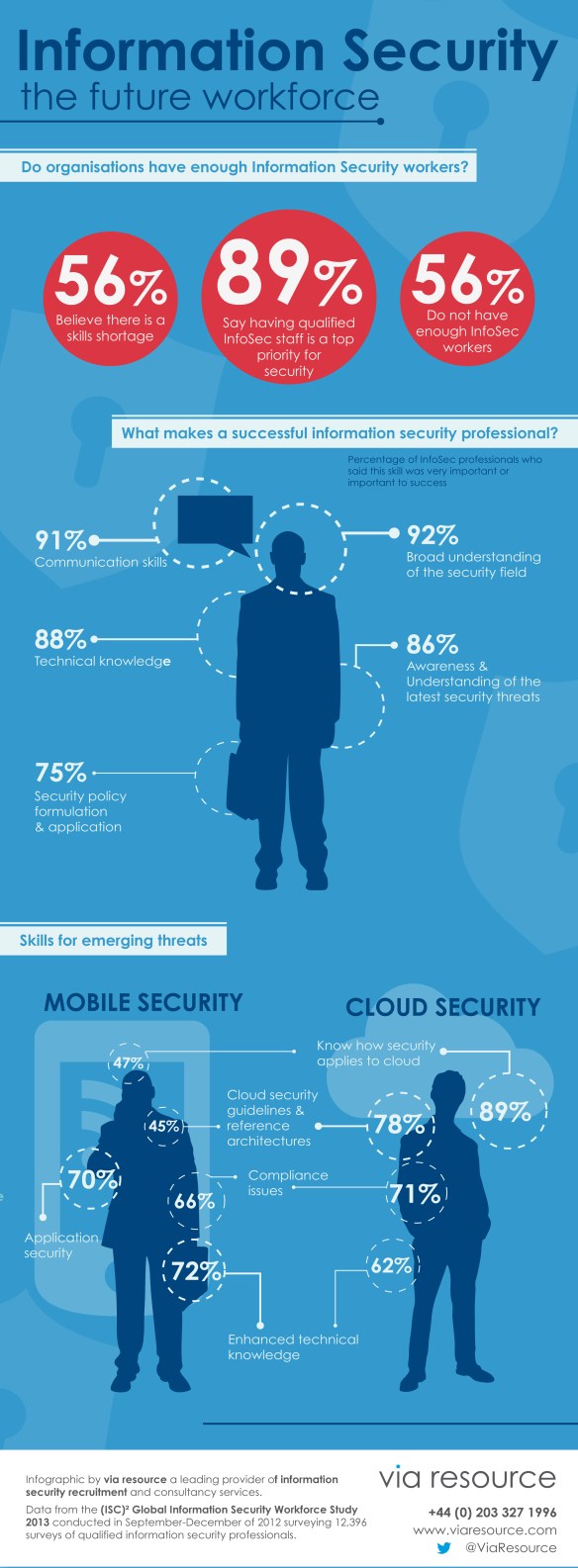
Information Security: The future workforce | TechRepublic


Information Security: The future workforce | TechRepublic

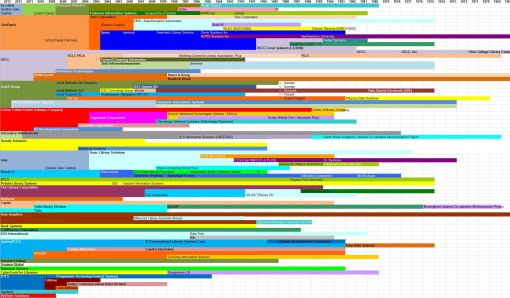
Updated “History of Mergers and Acquisitions in the Library Automation Industry”…03.25.13 | The Proverbial Lone Wolf Librarian’s Weblog


Updated “History of Mergers and Acquisitions in the Library Automation Industry”…03.25.13 | The Proverbial Lone Wolf Librarian’s Weblog

Librarians Make Their Mark at SXSW 2013 | American Libraries Magazine


Librarians Make Their Mark at SXSW 2013 | American Libraries Magazine.

Responsive Web Design Resources | This Is Responsive


Responsive Web Design Resources | This Is Responsive

Lists 85 resources about the various aspects of responsive web design.

Also see: 85 Top Responsive Web Design Tools | Mashable in which 10 of these resources are reviewed in depth.

Three Projects Librarians Should be Helping | Hack Library School


Three Projects Librarians Should be Helping | Hack Library School

Reviews Unglue.it, LibraVox and LibraryBox

Future Librarians for Intellectual Freedom | Are librarians the new threat?


“Last week, Munro’s article exposed a chilling new Code of Conduct for Library and Archives Canada (LAC) employees. LAC identified librarians and archivists as “dedicated professionals, …seeking and sharing knowledge” in their statement of principles. However, the treatment of such committed staff is not aligned with these principles. LAC employees are restricted from teaching and presenting at conferences as these are considered “high risks” activities.”

Future Librarians for Intellectual Freedom | Are librarians the new threat?

You may also like:

Five Ways to Create Word Clouds – Stephen’s Lighthouse


Five Ways to Create Word Clouds – Stephen’s Lighthouse

A Beginner’s Guide to DIYing with the Raspberry Pi | Lifehacker


“The Raspberry Pi is a wonderful little computer that fits in the palm of your hand, yet packs enough power to run your home media center, a VPN, and a lot more. Before you can do anything awesome, however, you need to configure it and install an operating system.”

via A Beginner’s Guide to DIYing with the Raspberry Pi | Lifehacker

You may also like:

A Librarian’s Guide to Makerspaces: 16 Resources – iLibrarian | The Modern MLIS
Manufacturing Makerspaces | American Libraries Magazine – The Modern MLIS

Collection of Links: Resources for Learning to Code


Update (August 30, 2015): Coding resources available on the Internet are listed here.

I began learning to code more than a decade ago during my undergraduate days at university sitting in a darkened room in front of a SunSystem computer running Unix. I programmed in C++ and Java for endless hours. I never complained about my biology and math labs and tutorials again after taking a computer science class! I did not realize at the time how useful I would find this skill in future years. During my Masters, which I completed in 2012, I learned to program in HTML/XHTML and CSS from the ground up, although I had prior knowledge from building my own websites. Now my next goals are to learn to code PHP and APIs. I not only want to learn these languages to bolster my resume but to learn more about the fundamentals of Internet and mobile architecture. How they are connected. I think learning to code is a great way to learn how to solve problems.

I find it surprising how popular coding is becoming, especially in libraries. Although now with the morphing of hackerspaces and makerspaces in libraries maybe its not so surprising. Librarians are known for being pioneers in education, learning and collaborative efforts after all. We can now even learn a programming language by attending a conference session – the 2013 ALA Conference in June will be presenting a LITA Pre-conference Introductory Python Workshop2012 was known as Code Year. With this push for awareness and education of coding there are now numerous resources one can use to learn abut coding and how to code. Here are a few of them:

Literacy

Learning to Code

APIs/Apps