A Typology of Web 2.0 Learning Technologies [Article] | EDUCAUSE.edu


This article presents the outcomes of a typological analysis of Web 2.0 learning technologies. A comprehensive review incorporating over two thousand links led to identification of 212 Web 2.0 technologies that were suitable for learning and teaching purposes. The typological analysis then resulted in 37 types of Web 2.0 technologies that were arranged into 14 clusters. The types of Web 2.0 learning technologies, their descriptions, pedagogical uses and example tools for each category are described, arranged according to the clusters. Results of this study imply that educators typically have a narrow conception of Web 2.0 technologies, and that there is a wide array of Web 2.0 tools as yet to be fully harnessed by learning designers and educational researchers.

READ MORE: A Typology of Web 2.0 Learning Technologies | EDUCAUSE.edu

Free Live Webinars for Librarians [September 2014] | OEDB.org


48 Free September Webinars for Librarians READ MORE: Free Live Webinars for Librarians | OEDB.org.

You may want to bookmark this OEDB webpage as it will be updated on a monthly basis, as indicated here.

Learn Ruby: 29 of The Best Online Educational Resources to Learn to Ruby and Ruby on Rails | SkilledUp


The very best ways to learn Ruby, Ruby on Rails, and the art of building dynamic web applications, including free and paid tutorials, instructor-guided courses, community support, reference materials, and the tools you need to get going. Learn Ruby: 29 of The Best Online Educational Resources to Learn to Ruby and Ruby on Rails | SkilledUp.

Understanding Video Games [Free Course] | University of Alberta


Understanding Video Games is an 11-lesson course teaching a comprehensive overview of analytical theory pertaining to video game media. Video games are a globally entrenched entertainment medium that entertains, informs and challenges us. These games are defined by, and define our modern culture. In this course, students will learn how to study games and engage in informed discussions about them. Ultimately, this course is about understanding the literacy of video games.  Understanding Video Games was created with the help of world renowned video game developer, BioWare Corp, located in Edmonton, Alberta.

Read More: Understanding Video Games | University of Alberta.

Free Live Webinars for Librarians [July 2014]| OEDB.org


Librarians are lifelong learners.  And we’re always on the look out for exciting professional development opportunities.  Fortunately for us, there are a great many amazing, free webinars being offered each month from a variety of sources, there’s bound to be something for everyone.

READ MORE: Free Live Webinars for Librarians | OEDB.org.

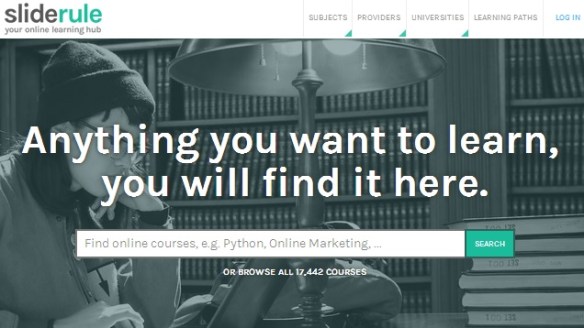
SlideRule Searches for the Best Online Courses in Any Category | LifeHacker


Online classes are a great way to learn new skills. SlideRule makes your search easier by letting you browse and search through over 17,000 online courses. READ: SlideRule Searches for the Best Online Courses in Any Category | LifeHacker

Apps for Outdoor Learning | The Digital Shift


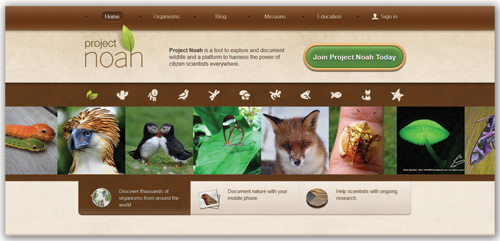
With spring in the air, students typically clamor to get outside—and teachers would often like to follow. April is an ideal time of year to explore outdoor learning opportunities, and these apps and sites can lead the way. READ MORE: Apps for Outdoor Learning | Cool Tools | The Digital Shift.

I would also recommend the Encyclopedia of Life’s Tools & Resources page for more tools to enhance outdoor educational activities.

‘Hour of Code’ Offers Free Coding Lessons | PCMag.com


Code.org today launched a massive campaign aimed at encouraging kids to learn computer programming.

Kicking off Computer Science Education Week, the nonprofit organization joined forces with supporters like Google, Microsoft, Amazon, Apple, Bill Gates, Mark Zuckerberg, Reid Hoffman, and Jack Dorsey to get students, teachers, and parents excited about coding.

The “Hour of Code” initiative, first announced in October, provides an interactive introduction through online tutorials. Are you just a beginner looking to learn the basics, or have you already mastered one coding language and want to pick up another? Visit Code.org to find coaching on building apps and Web pages, programming robots, and more.

Read: ‘Hour of Code’ Offers Free Coding Lessons | News & Opinion | PCMag.com.

35 Free Live Webinars for Librarians in December | Ellyssa Kroski | OEDB.org


‘Tis the season for online learning, especially in the library field!  December’s calendar is brimming with exciting and free learning opportunities for librarians looking for professional development.  Check out this list of 35 gratis webinars, just in time for the holidays!

Read: 35 Free Live Webinars for Librarians in December | Ellyssa Kroski | OEDB.org.

Staying Connected as a Distance Learner | Hack Library School


When I applied for my MLS a few years ago, the realities of the working world had me dreaming of a retreat from the outside world in the arms of academia.  I pictured days spent in stimulating classes and evenings immersed in my studies, totally plugged into the world of libraries and library science at all times. I would specialize in something fantastic, meet tons of like-minded people, and not have to report to a desk job every day.  Student loan debt be damned, I wanted an escape.

Shortly after hitting “send,” life intervened.  Between a 500+ mile move, a new job with just enough travel to make night classes impossible, and sheer economic reality, it quickly became apparent that escaping into classes and living off student loans for two years was just not going to happen. Two years and two deferments later, I find myself almost finished with my first semester in the University of Maryland College Park’s online MLS program.

I’m happy with my decision to switch to the online program, but I do sometimes feel that I’m missing out on the intangible benefits of face-to-face learning.  My day job has NOTHING to do with libraries, so I don’t get the water cooler chitchat, the special programming posters in the hallway, the classroom tangents that have nothing to do with that day’s planned discussion but are oh-so-valuable.  I get online class discussion boards, and nothing more.  Not quite the immersive experience I had in mind when I sent in my application, and an easy recipe for low motivation.  So to keep myself from feeling totally cut off, I’ve come up with a few strategies to get my library buzz. Read more: Staying Connected as a Distance Learner | Hack Library School.