7 Tech Upgrades to the Old-School Science Class | Mashable


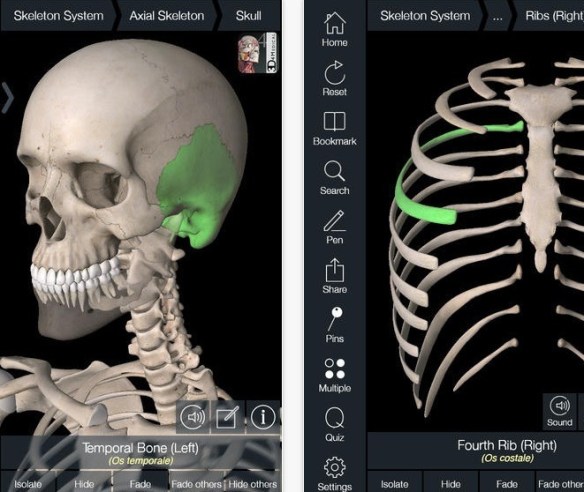
7 Tech Upgrades to the Old-School Science Class

Technological breakthroughs have flooded into classrooms, changing the face of K-12 education. From smart boards to smartphones, these digital trends have become useful educational tools in the teaching process. While todays kids are learning the same lessons and concepts, they are absorbing in different ways.

With new apps and interactive sites, science class, in particular, has received a few upgrades. We took a look at how science technology has evolved over time, and what adjustments have been made.

READ MORE:  7 Tech Upgrades to the Old-School Science Class | Mashable
Cheetyr is a Searchable Shortcut Cheat Sheet for Designers and Devs | LifeHacker


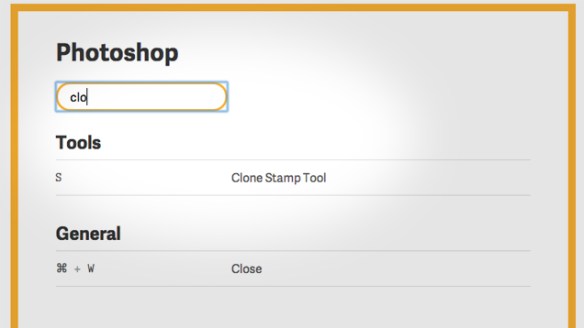
If youre a regular user of Photoshop, Illustrator, or do general web development, you probably find yourself drowning in a flood of keyboard shortcuts. Cheetyr helps make sense of them with a searchable database of keyboard shortcuts for several common apps and services. Currently, Cheetyr contains shortcuts for Photoshop, Illustrator, CSS, Git, and Vim. The site is accepting submissions and assistance, so the database is likely to grow over time. You can search for any function in the search box for each product to find the shortcut youre looking for.

via Cheetyr is a Searchable Shortcut Cheat Sheet for Designers and Devs | LifeHacker

We took a nostalgic look around Seattles Living Computer Museum | Engadget


If youre reading this site, chances are you’ve got a growing collection of obsolete, outdated tech in a closet somewhere, stuff you’re certain will be “collectors items” some day. Seattles’ Living Computer Museum, created by Microsoft co-founder Paul Allen, is full of that kind of history, detailing computer milestones from the past few decades. Earlier this month, the museum hosted its first-ever Vintage Computer Faire, a chance for tech fans to mingle and, of course, play around with a “greatest hits” collection of hardware.

VIEW GALLERY: We took a nostalgic look around Seattles Living Computer Museum | Engadget

Women In Tech: It’s Not Just A Pipeline Problem | TechCrunch


READ: Women In Tech: It’s Not Just A Pipeline Problem | TechCrunch.

How mobile phones are democratising education | Guardian Sustainable Business | Guardian Professional


The ubiquity of mobile phones is providing a new low cost tool for teaching in some of the poorest communities.

The following programs are discussed:

  1. MobiLiteracy
  2. Dr. Math
  3. Worldreader
  4. MoMaths

READ MORE: How mobile phones are democratising education | Guardian Sustainable Business | Guardian Professional.

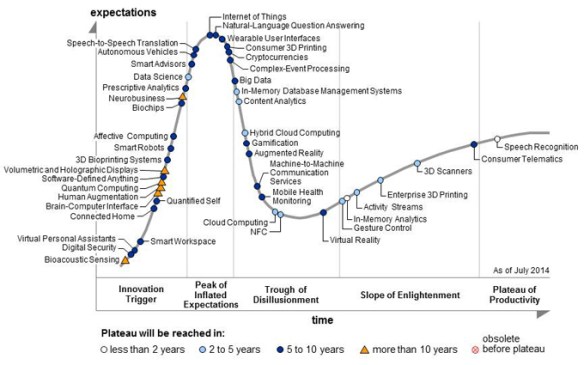
Gartners 2014 Hype Cycle for Emerging Technologies | Gartner


The journey to digital business is the key theme of Gartner, Inc.s “Hype Cycle for Emerging Technologies, 2014.” As the Gartner Hype Cycle celebrates its 20th year, Gartner said that as enterprises set out on the journey to becoming digital businesses, identifying and employing the right technologies at the right time will be critical.

via Gartners 2014 Hype Cycle for Emerging Technologies Maps the Journey to Digital Business.

AI, Robotics, and the Future of Jobs | Pew Research Centers Internet & American Life Project


The vast majority of respondents to the 2014 Future of the Internet canvassing anticipate that robotics and artificial intelligence will permeate wide segments of daily life by 2025, with huge implications for a range of industries such as health care, transport and logistics, customer service, and home maintenance. But even as they are largely consistent in their predictions for the evolution of technology itself, they are deeply divided on how advances in AI and robotics will impact the economic and employment picture over the next decade.

READ MORE: AI, Robotics, and the Future of Jobs | Pew Research Centers Internet & American Life Project.

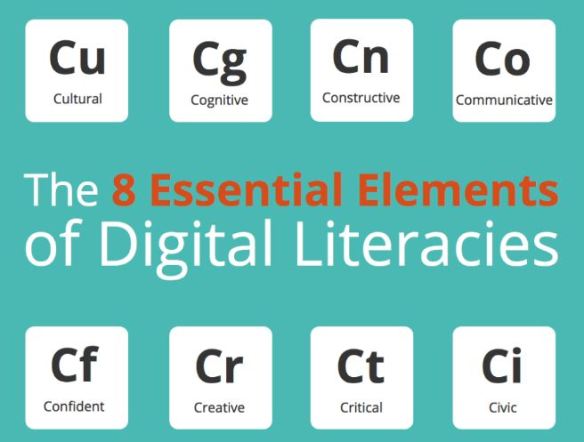
20 Things Educators Need To Know About Digital Literacy Skills | InformED


Teaching digital literacy is about more than just integrating technology into lesson plans; it’s about using technology to understand and enhance modern communication, to locate oneself in digital space, to manage knowledge and experience in the Age of Information.

These are vague descriptions, as are most of the descriptions you’ll find of digital literacy in blog posts and journal articles online. What teachers need, more than a fancy synopsis of how digital publication affects the meaning of a text, is a practical and applicable guide to helping students think productively about the digital world.

[These are] the top do’s and don’ts we’ve come across–in research and in our own experience–when it comes to making students digitally literate. The post reviews 5 Teaching Practices That Destroy Digital Literacy (e.g. criticizing digitalk) and 15 Habits to Cultivate in Your Students (e.g. get used to multiple literacies).

READ: 20 Things Educators Need To Know About Digital Literacy Skills | InformED

Tech sector struggling with gender diversity says key is to involve girls | Toronto Star


Tech companies have long been criticized for their lack of female employees, especially in management and engineering roles. In the last few years, however, the industry has taken note of the gender disparity and it is slowly changing.

READ: Tech sector struggling with gender diversity says key is to involve girls | Toronto Star

Nearly 100 percent of libraries offer tech training and STEM programs, study finds | DistrictDispatch


According to a new study from the American Library Association ALA, nearly 100 percent of America’s public libraries offer workforce development training programs, online job resources, and technology skills training. Combined with maker spaces, coding classes, and programs dedicated to entrepreneurship and small business development, libraries are equipping U.S. communities with the resources and skills needed to succeed in today’s – and tomorrow’s – global marketplace.

READ: Nearly 100 percent of libraries offer tech training and STEM programs, study finds | DistrictDispatch