Pew: 86% Of U.S. Adults Make Efforts To Hide Their “Digital Footprints” Online; Fear Of Creeping Ads And Malicious Hackers Outweighs State Spy Worries | TechCrunch


As surveyed by the Pew Research Center, the average U.S. citizen appears to be more concerned about the data collecting abilities of advertising networks like those of Google and Facebook, faceless malicious hackers, and even friends and family, than they are the government.

See the full discussion of the research findings: Pew: 86% Of U.S. Adults Make Efforts To Hide Their “Digital Footprints” Online; Fear Of Creeping Ads And Malicious Hackers Outweighs State Spy Worries | TechCrunch.

Governments Requested Information On 38,000 Facebook Users In The First Half Of 2013 | Fast Company


Facebook received about 38,000 data requests from government agents in 71 countries in the first half of 2013, according to the company’s first Global Government Requests Report, which it published [Tuesday]. The report comprises both criminal and national security requests made in the first six months of the year, with half of those requests coming from the United States.

via Governments Requested Information On 38,000 Facebook Users In The First Half Of 2013 | Fast Company | Business + Innovation.

The World’s Biggest Data Breaches in One Stunning Visualization | Mashable


The World’s Biggest Data Breaches in One Stunning Visualization | Mashable.

See the entire data visualization at Information is Beautiful.

Data Breaches

ALA joins Apple, Microsoft in demanding surveillance transparency | District Dispatch | ALA Washington


Today, the American Library Association (ALA) joined an unprecedented coalition of Internet companies and advocates to deliver a letter to the U.S. government demanding greater transparency around national security-related surveillance of Internet and telephone communications.

via ALA joins Apple, Microsoft in demanding surveillance transparency | District Dispatch | ALA Washington.

Wearable Computers Create New Security Vulnerabilities | Gadget Lab | Wired.com


Among other things, Google Glass is bringing to light how wearable computers and the new wave of web-connected objects collectively known as the Internet of Things are introducing new security vulnerabilities to the puzzle of mobile computing.

See the full article: Wearable Computers Create New Security Vulnerabilities | Gadget Lab | Wired.com.

DMCA chilling effects: How copyright law hurts security research. – Slate Magazine


An informative exposition on the DMCA and security research. I thought the article interesting and a reminder of the power of political and lobbying bodies in the US. In Canada, we are weathering our own struggle against the muzzling of our scientific researchers and librarians by the PMO.

“The outdated copyright law doesn’t just hurt consumers—it cripples researchers.” via DMCA chilling effects: How copyright law hurts security research. – Slate Magazine.

You may also like:


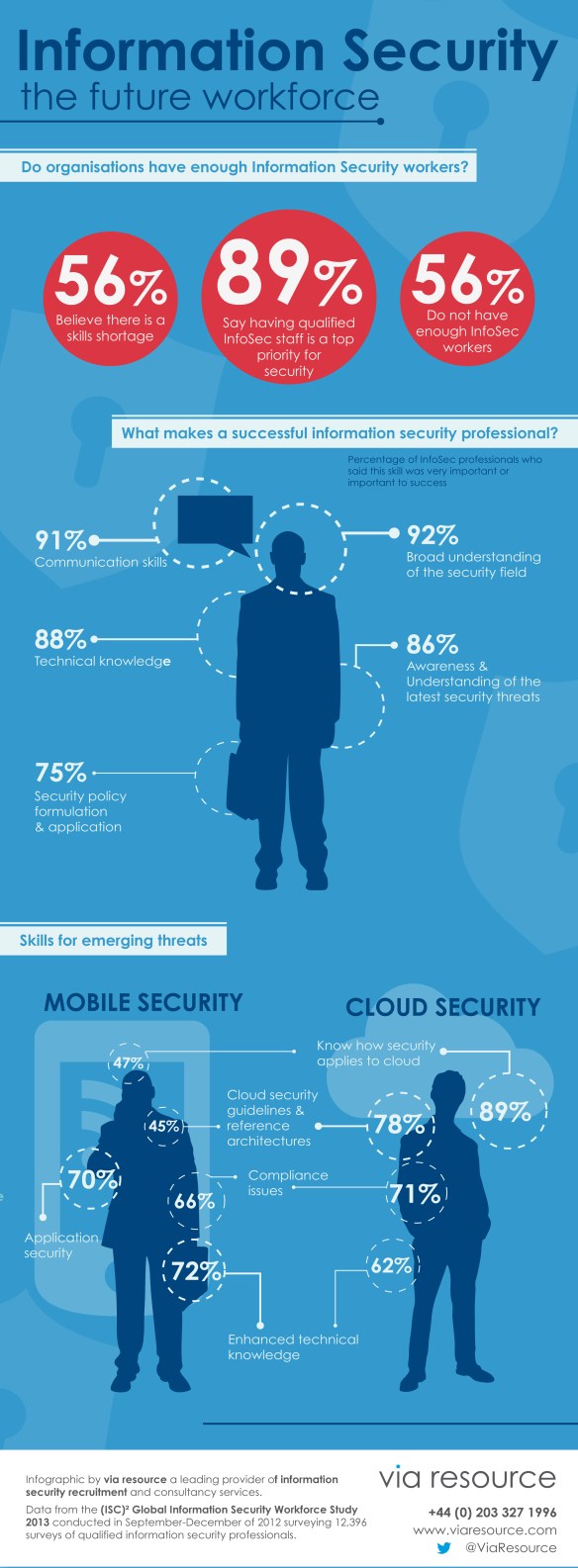
Information Security: The future workforce | TechRepublic


Information Security: The future workforce | TechRepublic

Updated 2 – Collection of Recent Links: CISPA


The most recent U.S. proposed law everyone is worried about is CISPA. Here are some links to brush up on what its all about.

NEW: Congress Passes CISPA from ReadWriteWeb
NEW: The CISPA Amendments We Really Need from ReadWriteWeb

Library and Information Services Perspective
What is the Cyber Intelligence Sharing and Protection Act and is it Different than SOPA? from Information Space
ALA Asks Librarians to to Oppose Cypersecurity Bill from The Digital Shift

From the White House
Obama May Back Down from CISPA Veto from PCMag.com SecurityWatch
White House Blasts CISPA, Promises Veto from ReadWriteWeb
President Obama Threatens to Veto CISPA Cybersecurity Bill from Mashable

The Supporters
Facebook Explains Why It’s Supporting Congress’ CISPA Cybersecurity Bill from TechCrunch
In CISPA Fight, Privacy Advocates Stand Alone, Unlike SOPA Debate from Internet Privacy and Security
CISPA Pushed by Spy & Tech Companies for Profit from Digital Journal

What is CISPA?
The Non-Geek’s Guide To CISPA, The Cybersecurity Bill The Internet Is Freaking Out Over from Gawker/Business Insider
CISPA: SOPA’s Evil Twin Infographic article from Mashable, infographic from Lumen Consulting
What is CISPA? from Gizmodo

GTA Technology Topics, Tips and Tricks: Online Privacy


I’ve seen the commentary on online privacy intensify the past few months. Facebook routinely changes its privacy policy it seems and Google has moved to one privacy policy for all of its applications. I think its good we hear about the privacy infractions by companies in the news, such as when the Sony database was hacked into and personal data was stolen from users. It really concerns me though about all the intrusions and privacy breaches that are not disclosed. Organizations need to start being more accountable for the client data they are charged with protecting and we need to start expecting more from the organizations we provide our personal information to. Users need to arm themselves to protect their information and identity, so its important to create awareness and give users tools to protect themselves. In that spirit here are some useful and informative links on online privacy.
 
The Sad State of Social Media Privacy Article & Infographic from Marketing Tech Blog/MDG Advertising.com
 
 
The Electronic Frontier Foundation proposed in 2010 a Bill of Privacy Rights for Social Network Users. They again built on this theme by creating A Mobile User Privacy Bill of Rights earlier this month.
 
 
The iLibrarian has a great post on this very topic which I am including below:
 
Social media and online privacy are always a concern, but more so in recent times with variable and ever-changing privacy policies. Here are five stories from the last couple of weeks covering online privacy:

Are You In Control of Your Social Media Privacy? [INFOGRAPHIC]
Stephanie Buck at Mashable blogs about a recent infographic titled Social Media Management: Protect Your Privacy created by ZoneAlarm, based on a 2012 study by Pew

Do You Value Your Internet Privacy?
Alicia Eler at ReadWriteWeb takes a look at a recent study released by the European Network and Information Security Agency (ENISA) in which researchers investigated whether or not customers of online services would pay a mark-up to an online service provider who protected their information better.

Social Media Privacy: 3 Questions to Ask Before Authorizing Third-Party Apps
Jamie Beckland at Mashable talks about how best to insure your privacy on social sites and whether it’s a good idea to authorize outside apps to access your information.

Internet privacy a growing concern, Pew finds
Benny Evangelista, SFGate dicusses privacy with regard to search engines and whether or not people’s search histories are being tracked.

How Do We Explain Patron Privacy in a World of Target Markets?
Laura Crossett writes an insightful article about privacy and library patrons.

No Weak Links


The Secrets Apple Keeps is a fascinating commentary on the inner workings of Apple, Inc. and its culture of secrecy and division. The commentary is from Adam Lashinsky’s new book called Inside Apple.  Apple would make a great case study in mentoring, managing and leadership…too bad we will never know the true inner workings of the company.

Highlights
“You don’t want to be the weak link. There is an intense desire to not let the company down.”

“All companies have secrets, of course. The difference is that at Apple everything is a secret.”

“There is not a culture of recognizing and celebrating success. It’s very much about work.”

“Apple pays salaries that are competitive with the marketplace — but no better.”

“People love it, which is different than saying they have fun. Fun comes and goes.”