The Future Of Storytelling Is About To Get Wild | ReadWrite


Many of us go about our lives constantly surrounded by screens, immersed in various “stories”: movies, TV shows, books, plot-driven video games, news articles, advertising, and more. Whether we realize it or not, we’re creating new behaviors, routines, mindsets, and expectations around what we watch, read or play—which in turn presents new challenges and opportunities for creators and marketers.

In other words, while the fundamentals of good storytelling remain the same, technology is changing how stories can be told. But what does that mean exactly?

Since last year, Latitude, a strategic insights consultancy, has been conducting an ongoing Future of Storytelling initiative to understand what audiences want for the long haul. Below are eight predictions for the future of storytelling based on what we found. (More information about Latitude’s multi-phase research project is available here.)

  1. Stories Come Out Of The Screen, Into The Physical World
  2. Characters Will Become Connections
  3. Stories Will Unfold From Different Vantage Points
  4. Stories Will Be Told 24/7
  5. Storytelling Goes Bottom-Up
  6. Stories Will Make The World A Better Place
  7. Videos Will Offer One-Click Storefronts
  8. Passive Or Active Experience—It’ll Be Your Choice

Read: The Future Of Storytelling Is About To Get Wild | ReadWrite.
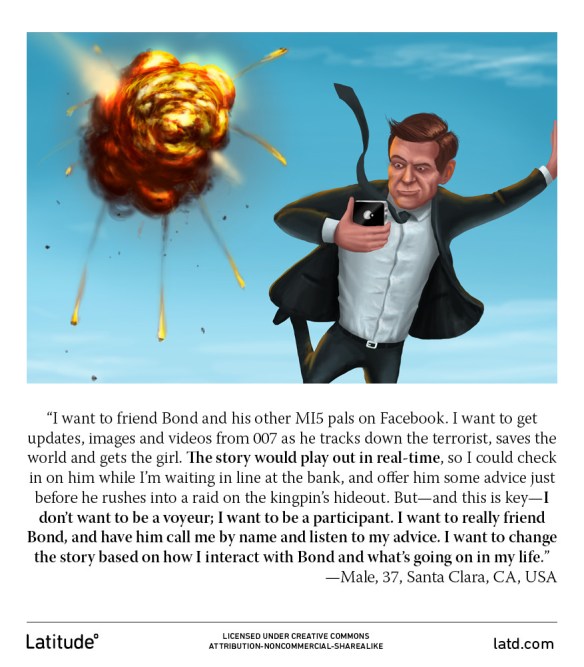
Latitude - Characters Will Become Connections

Andrew Fitzgerald: Adventures in Twitter fiction | TED.com


In the 1930s, broadcast radio introduced an entirely new form of storytelling; today, micro-blogging platforms like Twitter are changing the scene again. Andrew Fitzgerald takes a look at the (aptly) short but fascinating history of new forms of creative experimentation in fiction and storytelling.

via Andrew Fitzgerald: Adventures in Twitter fiction | Video on TED.com.

More gadgets, more reading: Survey suggests e-reader and tablet owners read more books |gigaom


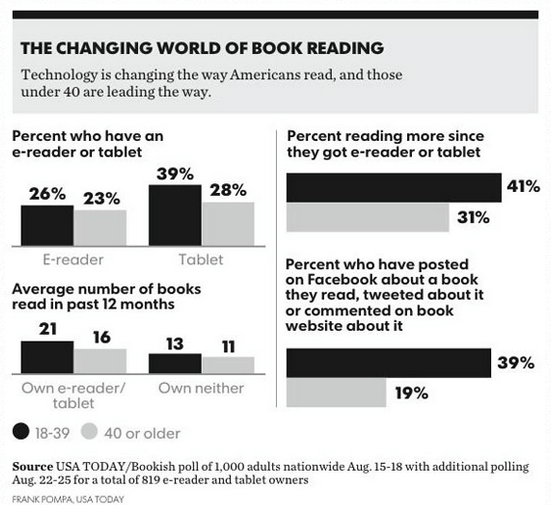
A new survey from USA Today and book discovery website Bookish finds that U.S. adults who own a tablet or e-reader read more books than the device-less. The survey also found differences in reading habits between adults under 40 and adults over 40.

Read: More gadgets, more reading: Survey suggests e-reader and tablet owners read more books | gigaom

See also: E-books are changing reading habits | USA Today

USA Today Survey


A Map of Internet Freedom Around the World | Gizmodo


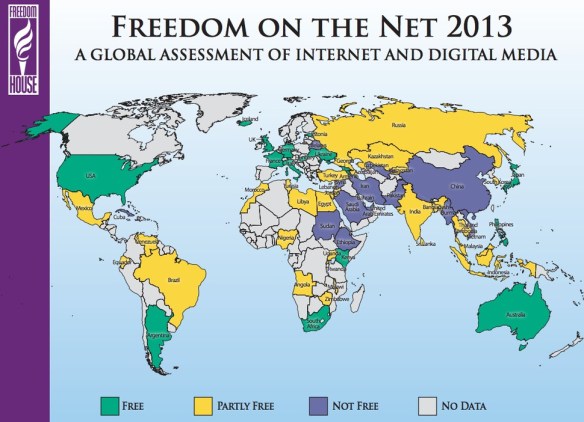
Here in the US, it’s easy to slip into the comfortable idea that the internet is unrestricted, a home for free speech and exploration, whether it’s meaningful and important, or dumb hashtags. It’s not that way everywhere though, and Freedom House has mapped out the current state of affairs across the globe.

Read and see more charts:  A Map of Internet Freedom Around the World | Gizmodo

Freedom On The Net 2013

How to Find Creative Commons Video Assets | Mashable


Creating a YouTube video is a breeze now that nearly every computer has built-in video editing software. But integrating images, music or other media into a video can be tricky. If you use copyrighted songs or pictures, your video may be removed, and YouTube may even suspend your account.

Advice for finding CC images, video clips, music, texts and fonts and other assorted media.

Read: How to Find Creative Commons Video Assets | Mashable.