Learn SQL with Khan Academy’s New Interactive Course | LifeHacker #sql @khanacademy


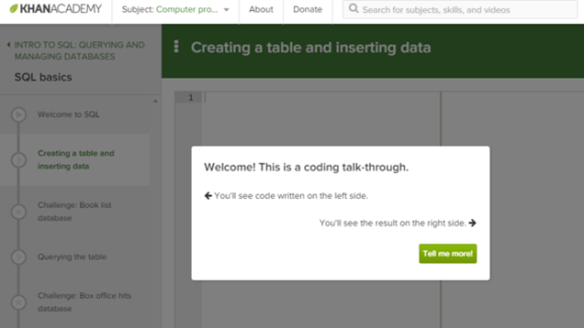
SQL, the popular programming language used to manage data in a relational database, is used in a ton of apps. Khan Academy’s introductory course to SQL will get you started writing SQL in an interactive editor.

READ MORE: Learn SQL with Khan Academy’s New Interactive Course | LifeHacker

C.H.I.P. — The super tiny computer that only costs $9 [@Kickstarter] | Mashable #makerspaces @nextthingco


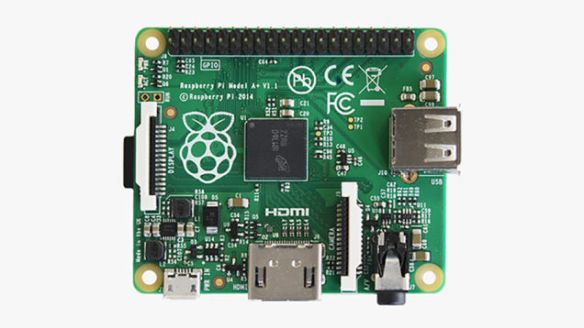
If you thought the $35 Raspberry Pi 2 was a small and cheap computer, think again. Next Thing Co.’s open-source C.H.I.P. is an even smaller barebones microcomputer that only costs $9.

Like the Raspberry Pi, C.H.I.P. can be used in a variety of ways. Connect the necessary parts — a keyboard, mouse, and a display — to it and it becomes a personal computer. Otherwise, you can hack it into a retro games emulator, or robot, or whatever you can dream up. Next Thing Co. encourages users to learn how to code and make things with C.H.I.P.

Next Thing Co. is currently crowdfunding C.H.I.P. through a Kickstarter campaign. At the time of this writing, the project has successfully reached its $50,000 funding goal with 29 days to go. The first C.H.I.P computers are expected to start shipping in December.

READ MORE: C.H.I.P. — the super tiny computer that only costs $9 | Mashable

BBC Micro Bit Will Complement Raspberry Pi Not Compete With It | The Guardian


BBC Micro Bit will complement Raspberry Pi not compete with it | Technology | The Guardian

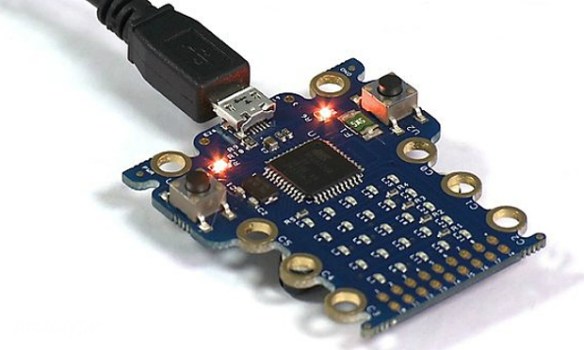
The BBC’s new Micro Bit programmable device is designed to complement computers like the Raspberry Pi rather than compete with them, according to people involved with the project.

The broadcaster is planning to give one million units of the device away in the autumn as part of its Make It Digital initiative, including one for every child in year seven of the British education system – ie 11-12 year-olds.

The BBC hopes that the Micro Bit will get children interested in programming in the same way that its BBC Micro computer did in the 1980s, although the new device is being pitched as a gateway to more complex computers.

READ MORE: BBC Micro Bit will complement Raspberry Pi not compete with it | Technology | The Guardian

Related Posts

This Throwable Computer Teaches Kids How To Code | Co.Design


This Throwable Computer Teaches Kids How To Code | Co.Design | business + design

Coding is a great skill for kids to learn but it can be a lonely, sedentary endeavor. Hackaball, a new toy created from a partnership between the design agencies MAP and Made By Many, promises to get kids off their butts and playing outside—all while teaching basic coding skills and empowering kids to invent their own kind of play.

READ MORE: This Throwable Computer Teaches Kids How To Code | Co.Design | business + design.

Sesame Street’s executive producer on staying relevant after 46 years | Engadget


Thanks to Netflix, Amazon and YouTube, the competition for kid’s eyeballs is fiercer than ever, but that’s not slowing down Sesame Street. Now in its 46th year, the show is making a bigger and bigger push into social media, with often hilarious (but secretly educational) results. I sat down with the show’s Senior Vice President and Executive Producer, Carol Lynn-Parente, shortly after meeting my new best friend, Cookie Monster, to talk about the show’s digital life and more.

READ MORE: Sesame Street’s executive producer on staying relevant after 46 years |  | Engadget

Cosplay, Comics, and Geek Culture in Libraries [Blog] by Ellyssa Kroski


Ellyssa Kroski of iLibrarian fame said farewell to the iLibrarian blog in late 2014. iLibrarian was one of my top resources for emerging technologies in libraries and information services. I will miss the iLibrarian posts but am excited about the new website she has launched called Cosplay, Comics, and Geek Culture in Libraries. I’ve participated in coding and medieval times events over the past few years and am surprised at how quickly these events are transitioning into the mainstream. With the increasing popularity and growth of these activities, CCGC in Libraries is sure to be a great resource for librarians and fans of cosplay, comics and geek culture.

Speaking of geek culture, I’ve been watching TNT’s The Librarians series and I guess I’m hooked. It’s silly and over the top but I enjoy the mix of science fiction, mystery and adventure. IMO each episode’s concept/theme is more interesting than the overarching storyline. Cassandra’s outfits are way too distracting though! The remaining 2 episodes of Season 1 air tonight, January 18, 2015, on the Space channel in Canada. 

Via the CCGC in Libraries website.

Welcome everyone to Cosplay, Comics, and Geek Culture in Libraries! This is an exciting time for geeks of all kinds to be involved with libraries as today’s savvy libraries have begun to embrace new ways to engage library patrons such as fandom events, comic book and graphic novel collections, comic cons, cosplay events.

The intersection of these interests with libraries is a perfect match as libraries are striving to develop entertaining and educational new programs and services that will appeal to not only children but young adults as well as “kids at heart” of all ages. And these new programs and resources fit well with the interests of cosplayers who can utilize the equipment in library makerspaces such as 3D printers and sewing machines to create many of their props and costume pieces, as well as comics fans who can come to the library to read comics and graphic novel collections, video and board game enthusiasts who attend library gaming events, and geeks of all types who are drawn to “nerd nights”, Dr. Who marathons, and Harry Potter socials, etc.

I decided to start this blog, not only because I am a self-proclaimed geek, cosplayer, and comics reader and collector myself, but because this is a cutting-edge area of growth in libraries with significant appeal to today’s patrons. I think that there is much that we can do to expand and develop this type of programming and collection development. And I’m not alone. I’ve been joined by a talented group of international writers, librarians, information professionals, and library patrons to provide articles and inspiration to libraries seeking to incorporate cosplay, comics, and geek culture in their libraries!


16 Fun Projects for Your New Raspberry Pi | Gizmodo


The new Raspberry Pi is smaller, cheaper and more energy efficient—not a bad way to update a best-selling device. Whether you’ve taken the plunge on one of the new units or you want to put the original model to good use, weve collected together some of the most fun Pi-based projects on the planet for you to have a crack at.

Read More: 16 Fun Projects for Your New Raspberry Pi | Gizmodo.

You may also like:

A Board Game That Teaches Four-Year-Olds How To Code | Kinja


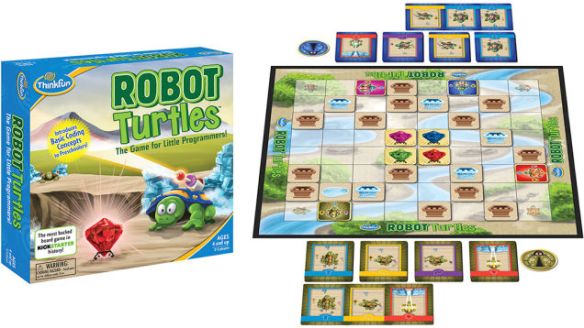
When was the last time a champion speller rolled up to a Bee in a Ferrari? Never. If you really want to guarantee your kids make something of themselves one day, youll want to forget board games like Scrabble and focus on building real-world skills. Not only does Robot Turtles teach a love of Herpetology the study of reptiles it also teaches them the basics of computer programming—aka coding.

Read More: A Board Game That Teaches Four-Year-Olds How To Code | Kinja

Doctor Who’s new web game aims to teach children programming skills | theguardian.com


Doctor Who’s latest adventure sees him teaming up with a Dalek and trying to save the universe, but also teaching children some early computer programming skills.

This isn’t a TV show, however: it’s a game due to launch on Wednesday 22 October on the broadcaster’s CBBC website. The Doctor and the Dalek includes voice narration from current Doctor Peter Capaldi, and a new story by Phil Ford, who has written for the TV show.

The free web game is aimed at 6-12 year-olds, and involves freeing a battered Dalek from a ship of Cybermen, then building it back up to full strength through puzzles based on the programming elements of the new English computing curriculum.

via Doctor Whos new web game aims to teach children programming skills | Technology | theguardian.com.

Kids Need To Learn Digital Literacy—Not How To Code | ReadWrite


The new narrative in education, echoed from Silicon Valley to Washington, D.C., is: “Everyone should learn to code.” But something’s getting lost in translation between technologists and parents of students around the country. Let’s get this out of the way: Not everyone needs to learn how to code. Coding is just one part of the constantly evolving technological landscape. There’s a big difference between learning how to code and having a fundamental understanding of how technology and software operate. Of the two, the latter is way more important for most people. What students—and, really, anyone who wants to function in careers in the future—should learn is how to be digitally literate.

READ MORE: Kids Need To Learn Digital Literacy—Not How To Code | ReadWrite