Google Cardboard Is The Right Virtual-Reality Gadget For Right Now. But What’s Next? | Fast Company


I’d like to try the Cardboard experience to compare to the Oculus Rift. I tried OR at Netspeed 2014, experiencing an under water universe (boring with unwieldy navigation) and a roller coaster (exciting; definitely created a unique, visceral experience that made me want to puke my guts out after). Looking forward to more virtual reality experiences as the tech and devices evolve.
Google Cardboard Is The Right Virtual-Reality Gadget For Right Now. But Whats Next? | Fast Company | Business + Innovation

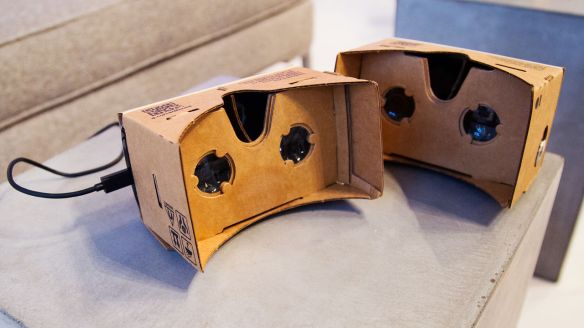
Google Cardboard has come a long way since Android honcho Sundar Pichai introduced it with a sheepish grin six months ago. The smartphone virtual reality viewer, made from folded-up cardboard with a pair of attached lenses—you supply an Android phone to provide computing power and a display—has shipped more than 500,000 units as of early December. (You can build your own Cardboard, or buy a ready-made version from not-quite-official sources for under $30.) Google has now added a Play Store showcase for the best Cardboard apps, and released a software development kit to spur even more VR app creation.

For a project that took mere weeks to throw together, Cardboard has done surprisingly well. But its success also puts it in an awkward position, somewhere between the oddball project that Cardboard appeared to be back in June and the serious business that prompted Facebooks $2 billion acquisition of Oculus VR in February. As virtual reality matures, is Cardboard prepared to mature with it?
READ MORE: Google Cardboard Is The Right Virtual-Reality Gadget For Right Now. But What’s Next? | Fast Company | Business + Innovation.

The Top UX Predictions for 2015 | UX Magazine


Top UX predictions for 2015 from UX Magazine contributors. The Top UX Predictions for 2015 | UX Magazine

Reading On A Screen Before Bed Might Be Killing You | HuffPo


You’ve heard that using screens before bedtime can mess with your sleep, but new research suggests the problem is even more serious.

Reading from an iPad before bed not only makes it harder to fall asleep, but also impacts how sleepy and alert you are the next day, according to new research from Brigham and Womens Hospital in Boston, Massachusetts. The study, published in the journal Proceedings of the National Academy of Sciences on Monday, said the findings could impact anyone who uses an eReader, laptop, smartphone, or certain TVs before bed.

The new research supports conclusions from older studies, which have also found that screen time before sleep can be detrimental.

READ MORE: Reading On A Screen Before Bed Might Be Killing You | HuffPo

16 Fun Projects for Your New Raspberry Pi | Gizmodo


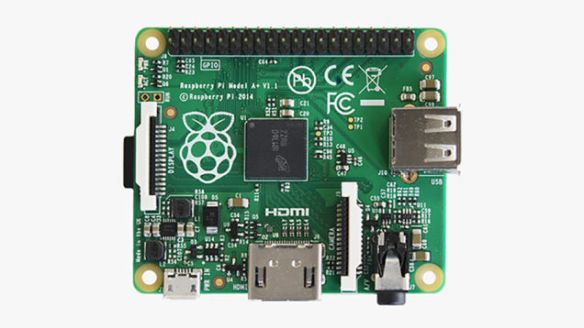
The new Raspberry Pi is smaller, cheaper and more energy efficient—not a bad way to update a best-selling device. Whether you’ve taken the plunge on one of the new units or you want to put the original model to good use, weve collected together some of the most fun Pi-based projects on the planet for you to have a crack at.

Read More: 16 Fun Projects for Your New Raspberry Pi | Gizmodo.

You may also like:

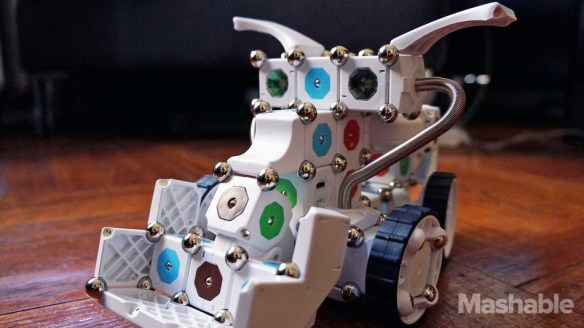
Moss is a pricey Erector set for robot lovers [REVIEW] | Mashable


Browsing toy stores these days is often a constant reminder that they don’t make toys like they used to — because, in most cases, they make them better. It’s row after row of products you wish had been around back in your younger days. This goes double for the high-tech toys including robotics, smart devices and construction kits. Moss is a little bit of each.

The second product from Boulder, Colorado-based hardware startup Modular Robotics began life as a Kickstarter campaign late last year, when it managed to capture more than three and a half times its lofty $100,000 goal. And it’s not tough to see why. The robotics kit promises balances education and entertainment.

READ MORE Moss is a pricey Erector set for robot lovers [REVIEW] | Mashable

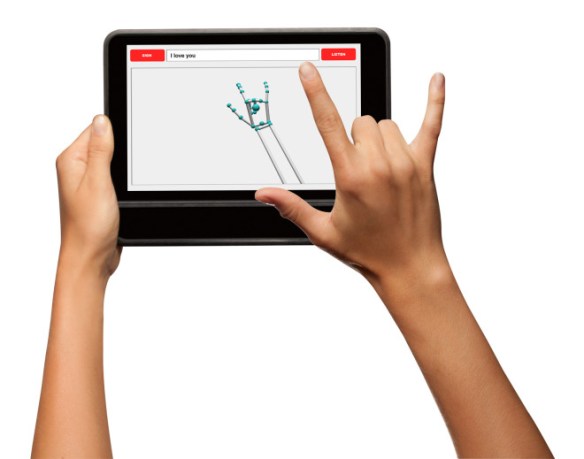
New Tablet Case Recognizes Sign Language and Translates It Into Text | WIRED


When you’re deaf, finding a job isn’t easy. The trickiest part, explains Ryan Hait Campbell, is the interview. “You’re not required to tell an employer you’re deaf until the interview, but sometimes, they’re a little shocked,” says Campbell, who has been deaf since birth. “They don’t know how to handle it.”

Because of things like this, he says, unemployment rates are staggeringly high among the deaf. Hard numbers are tough to come by, but some figures estimate that around half of people with hearing disabilities are unemployed.

But Campbell wants to change this. He’s the co-founder and CEO of MotionSavvy, an Alameda, California-based startup that’s developing a case for tablet computers that can serve as a virtual interpreter for the deaf. Known as UNI, the case uses gesture recognition technology developed by Leap Motion to translate sign language into audible speech.

READ MORE: New Tablet Case Recognizes Sign Language and Translates It Into Text | WIRED.

Finally, a Way to Teach Coding to the Touchscreen Generation | WIRED


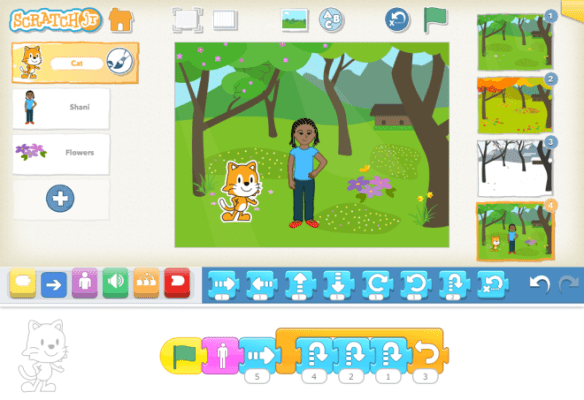
Finally, a Way to Teach Coding to the Touchscreen Generation | Enterprise | WIRED

[A] new app might be able to break through that passivity by meeting the Touchscreen generation where their fingers live. ScratchJr is a new iPad variation of the Scratch programming language, a tool created at MIT to help teach kids to code. The premise for both is the same: instead of text, Scratch uses interlocking colored blocks to mimic the logical structures and functions of a typical grown-up programming language. Scratch scripts allow their creators to direct and interact with “sprites”—cartoonish characters on the screen. By introducing kids to coding without the hurdles of arcane syntax and bug-prevention, the hope is that they’ll become engaged enough with the process that their sensibilities will shift.

READ MORE: Finally, a Way to Teach Coding to the Touchscreen Generation | WIRED.

How mobile phones are democratising education | Guardian Sustainable Business | Guardian Professional


The ubiquity of mobile phones is providing a new low cost tool for teaching in some of the poorest communities.

The following programs are discussed:

  1. MobiLiteracy
  2. Dr. Math
  3. Worldreader
  4. MoMaths

READ MORE: How mobile phones are democratising education | Guardian Sustainable Business | Guardian Professional.

Top 30 Applications of Google Glass in Education [Interactive Infographic] | OpenColleges


The future is now. With Google Glass, teachers and students alike can display information in a smartphone-like hands-free format, while interacting with the Internet via natural language voice commands. With limitless possibilities at its fingertips, the education community can build closer working relationships with students, and allow children to get more involved with their learning experience. Open Colleges takes a look at how Google Glass might be used in education.

Click the link to EXPLORE all the possibilities illustrated within this interactive infographic: Top 30 Applications of Google Glass in Education  | OpenColleges


How Google Glass might be used in Education – An infographic by the team at Open Colleges

A Short History of Photographic Camera [Infographic] | Visual.ly


A Short History of Photographic Camera | Visual.ly

A Short History of Photographic Camera | Visual.ly