BBC Micro Bit Will Complement Raspberry Pi Not Compete With It | The Guardian


BBC Micro Bit will complement Raspberry Pi not compete with it | Technology | The Guardian

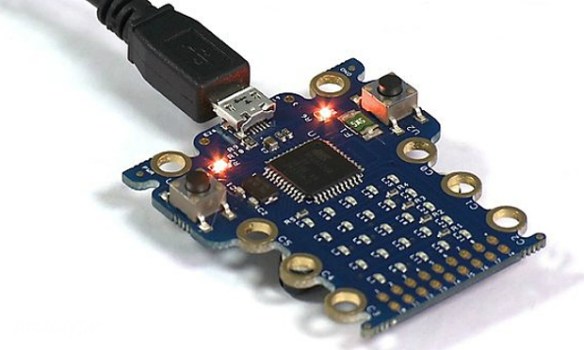
The BBC’s new Micro Bit programmable device is designed to complement computers like the Raspberry Pi rather than compete with them, according to people involved with the project.

The broadcaster is planning to give one million units of the device away in the autumn as part of its Make It Digital initiative, including one for every child in year seven of the British education system – ie 11-12 year-olds.

The BBC hopes that the Micro Bit will get children interested in programming in the same way that its BBC Micro computer did in the 1980s, although the new device is being pitched as a gateway to more complex computers.

READ MORE: BBC Micro Bit will complement Raspberry Pi not compete with it | Technology | The Guardian

Related Posts

This Throwable Computer Teaches Kids How To Code | Co.Design


This Throwable Computer Teaches Kids How To Code | Co.Design | business + design

Coding is a great skill for kids to learn but it can be a lonely, sedentary endeavor. Hackaball, a new toy created from a partnership between the design agencies MAP and Made By Many, promises to get kids off their butts and playing outside—all while teaching basic coding skills and empowering kids to invent their own kind of play.

READ MORE: This Throwable Computer Teaches Kids How To Code | Co.Design | business + design.

Raspberry Pi 2 runs free Windows 10, costs $35 | CNET


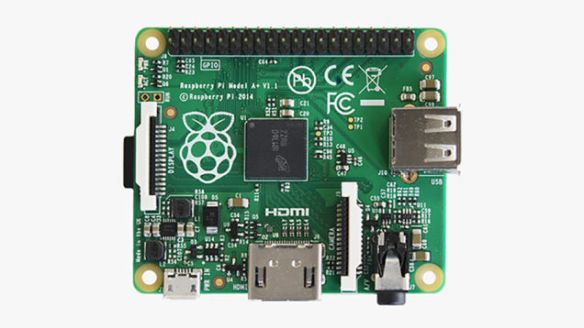
Microcomputing fans take note — there’s a new Raspberry Pi in town. The all-new board brings a host of new hardware, including a Broadcom 900MHz quad-core ARM Cortex-A7 processor and 1GB of RAM. Those upgrades, the Raspberry Pi Foundation says, make the Pi 2 Model B a much more powerful computer — not just a good computer for its $35 price.

The Raspberry Pi is an extremely simple computer that can be yours for very little money. It looks and feels very basic, but can be built into any number of geeky projects, and is designed to get youngsters interested in coding…

…Raspberry Pi is on a collision course with Microsoft’s upcoming Windows 10 operating system. “For the last six months,” the Raspberry Pi Foundation writes on its blog, “we’ve been working closely with Microsoft to bring the forthcoming Windows 10 to Raspberry Pi 2. Microsoft will have much more to share over the coming months. The Raspberry Pi 2-compatible version of Windows 10 will be available free of charge to makers.”

READ MORE: Raspberry Pi 2 runs free Windows 10, costs $35 | CNET.

16 Fun Projects for Your New Raspberry Pi | Gizmodo


The new Raspberry Pi is smaller, cheaper and more energy efficient—not a bad way to update a best-selling device. Whether you’ve taken the plunge on one of the new units or you want to put the original model to good use, weve collected together some of the most fun Pi-based projects on the planet for you to have a crack at.

Read More: 16 Fun Projects for Your New Raspberry Pi | Gizmodo.

You may also like:

We took a nostalgic look around Seattles Living Computer Museum | Engadget


If youre reading this site, chances are you’ve got a growing collection of obsolete, outdated tech in a closet somewhere, stuff you’re certain will be “collectors items” some day. Seattles’ Living Computer Museum, created by Microsoft co-founder Paul Allen, is full of that kind of history, detailing computer milestones from the past few decades. Earlier this month, the museum hosted its first-ever Vintage Computer Faire, a chance for tech fans to mingle and, of course, play around with a “greatest hits” collection of hardware.

VIEW GALLERY: We took a nostalgic look around Seattles Living Computer Museum | Engadget

Absolutely fabulist: The computer program that writes fables | CNET


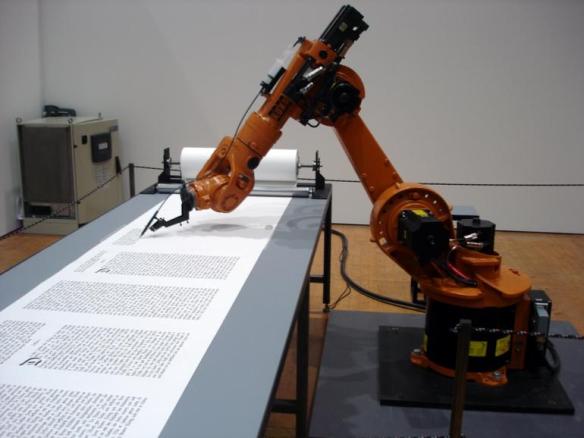
Forget a thousand monkeys at a thousand typewriters, researchers have created a computer program that writes fables by itself.

It might be a long way from “A Tale of Two Cities”, but researchers at Australia’s University of New South Wales have developed a computer program that is capable of writing its own fables.

The Moral Storytelling System, known as MOSS, has been developed by Margaret Sarlej, a PhD candidate at the School of Computer Science and Engineering at UNSW, led by Australian Research Fellow and artificial intelligence expert Dr Malcolm Ryan.

While humans are capable of creating simple or complex stories without a second thought, Sarlej said this is a skill that computers can’t easily emulate.

READ MORE: Absolutely fabulist: The computer program that writes fables | CNET.

Woman Puts Deus Ex On Computer Chip In Her Hand | Kotaku


Zoe Quinn doesn’t just make heartfelt, experimental games like Depression Quest. She’s also pretty set on becoming a cyborg, judging from the cyberpunk as hell implants she’s gotten over the last couple of years.

READ MORE: Woman Puts Deus Ex On Computer Chip In Her Hand | Kotaku

An Amazing Discovery: Andy Warhol’s Groundbreaking Computer Art | WIRED


An Amazing Discovery: Andy Warhol’s Groundbreaking Computer Art | Design | WIRED

Back in the mid-1980s, Andy Warhol made a series of digital artworks on an Amiga 1000, a personal computer created by Commodore International. The artist, tapped by the company to be a spokesperson for the computer’s multimedia capabilities, created a few public pieces as part of a marketing campaign, but it was unknown if he had made any digital artworks on his own time.

Decades later, we now know he did. Stashed away on dozens of unlabeled floppy disks was a treasure trove of never-before-seen Warhol works that were slowly deteriorating. A multi-year, collaborative effort between a team of artists, museum professionals and the Carnegie Mellon Computer Club unearthed 28 works of art and a host of 1980s graphics software that Warhol used to create these digital pieces. Read more: An Amazing Discovery: Andy Warhol’s Groundbreaking Computer Art | Design | WIRED.

The Untold History of Where Barcodes Come From | Gizmodo


READ: The Untold History of Where Barcodes Come From | Gizmodo

Microsoft Will Soon Bring Back The Start Menu In Windows 8.1 | TechCrunch


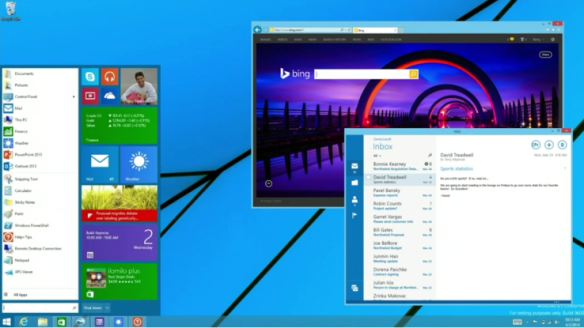
Microsoft’s Terry Myerson today announced that Microsoft is “all-in” with the desktop. Indeed, while he wasn’t quite ready to announce Windows 9, he did show off how Windows 8.1 will soon get a new version of the beloved Start menu back.

When Microsoft removed the Start menu, quite a few of its users were upset, and this move did indeed make Windows 8.1 harder to use for many. The new Start menu will combine live tiles and other Metro-influenced UI elements, as well as most of the features still available in the Windows 7 menu.

In the future, all of Microsoft’s Universal Windows apps will also run in a window. That sounds like the company is backing off a bit from its Metro interface on the desktop.

It’s unclear when exactly Microsoft will launch these features, though. As far as we are aware, it will take another update to Windows 8.1 and it’s unclear when exactly this will happen. Read more: Microsoft Will Soon Bring Back The Start Menu In Windows 8.1 | TechCrunch.

This is great news! I provide volunteer computer coaching at my community library and I groan every time a patron comes in for help with Windows 8 (which is often!). The interface is problematic, so bringing back the start button (and hopefully making the metro interface optional) is a very welcome improvement.